


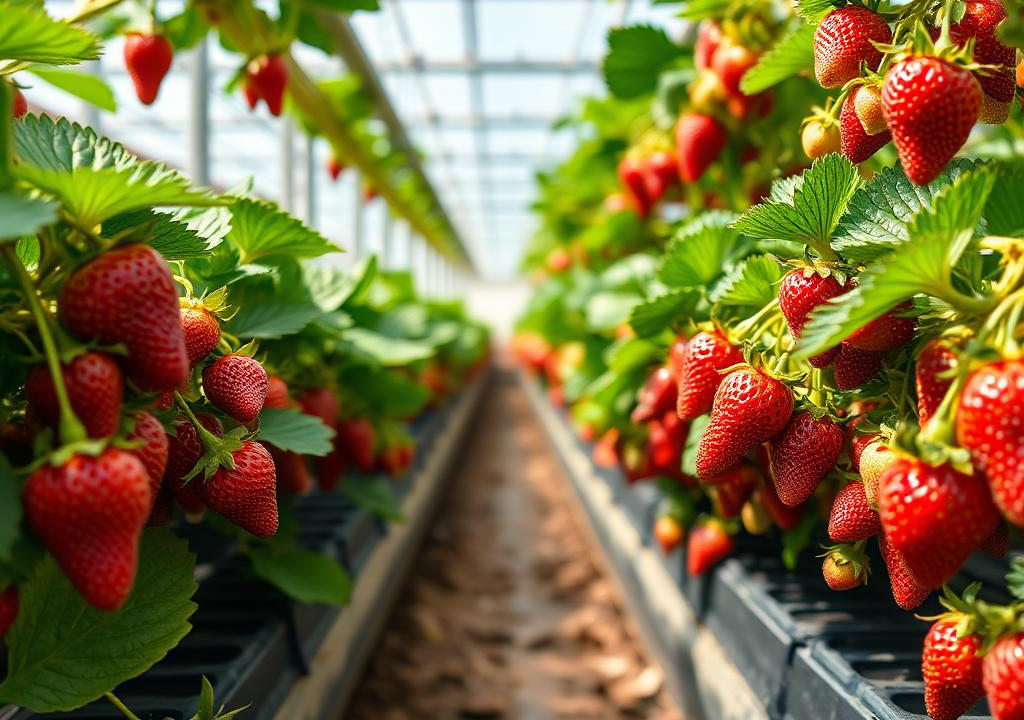
Hydroponic and aeroponic growing systems are designed for precision, efficiency, and high yields—but one overlooked factor can quietly destroy your results: the wrong materials in your system.
If you’re using metals that react with water and nutrients, you could be introducing toxic elements, clogging your system, and damaging plant roots without even realizing it.
In this guide, we break down exactly which metals to avoid, why they’re harmful, and what you should be using instead.
Why Material Choice Matters in Hydroponics
Unlike soil growing, hydroponics relies on a recirculating nutrient solution. This water is:
- Oxygen-rich
- Often slightly acidic
- Constantly moving through your system
This makes it highly reactive—meaning certain metals will corrode, leach, and contaminate your nutrient solution over time.
The result?
- Stunted growth
- Nutrient lockout
- Root damage
- Equipment failure
6 Metals You Should NEVER Use in Hydroponic Systems
1. Iron (Mild Steel)
Iron rusts quickly in water, especially in oxygen-rich environments.
Risks:
- Rust clogs pumps and pipes
- Releases excess iron → nutrient imbalance
2. Copper
Copper is one of the most dangerous metals in hydroponics.
Risks:
- Toxic to plants even in tiny amounts
- Common in plumbing and fittings
Avoid copper pipes, connectors, or valves at all costs.
3. Zinc (Galvanized Steel)
Galvanized metals are coated with zinc, which dissolves over time.
Risks:
- Root toxicity
- Interferes with nutrient uptake
4. Aluminum
Aluminum reacts with acidic nutrient solutions.
Risks:
- Leaching into water
- Stunted root and plant growth
5. Brass (Copper + Zinc)
Brass combines two harmful metals.
Risks:
- Double toxicity (copper + zinc)
- Common in hose fittings and valves
6. Lead
Less common, but extremely dangerous.
Risks:
- Toxic to plants and humans
- Found in cheap or older fittings
Is Stainless Steel Safe?
Yes—but only certain types.
Use:
- 304 stainless steel
- 316 stainless steel (best for water exposure)
Avoid:
- Low-grade stainless that can still corrode over time
Best used for clamps, screws, and pump components—not full water contact systems.
Best Materials for Hydroponic Systems
For a safe, long-lasting setup, stick to these:
Plastics (Highly Recommended)
- PVC (food-grade)
- HDPE (high-density polyethylene)
- Polypropylene
Flexible Materials
- Silicone tubing
Limited Metal Use
- High-grade stainless steel only
These materials are:
- Non-reactive
- Durable
- Widely used in commercial hydroponics
Common Mistake (That Costs Growers Money)
Many growers unknowingly install:
- Brass hose fittings
- Galvanized connectors
- Metal hose clamps
Even one small metal part can contaminate your entire reservoir over time.
This is especially dangerous in:
- Aeroponic systems (higher oxygen = faster corrosion)
- Recirculating systems (contamination builds up)
Golden Rule for Hydroponics
If water touches it, it must be non-reactive.
Final Thoughts
Choosing the right materials is one of the most important decisions in hydroponic system design. It affects:
- Plant health
- Yield quality
- System lifespan
- Maintenance costs
Whether you’re building your own system or buying components, always prioritize safe, non-reactive materials.